
Countertop card terminals

Compare countertop card machines for UK businesses.

Countertop card machines suit businesses where customers pay at a till, counter, or reception desk. Merchant Advice helps you compare suitable providers and terminals - from Ingenico, Verifone, and PAX to SumUp and Clover - with a clearer view of cost, contract terms, support, and day-to-day fit.

  • Skip weeks of chasing quotes that were never going to fit.
  • See which providers suit your checkout, sector, and trading volume.
  • Avoid contract terms, rental costs, and exit fees that catch merchants out later.
  • Choose a setup that keeps queues moving when the counter gets busy.
  • Switching guidance for merchants already in contract.

Powered by a growing network of trusted providers

  • Worldpay
  • Barclaycard
  • Cashflows
  • Fiserv
  • SumUp
  • Trust Payments
  • Adyen
What to look for

What a good countertop card machine actually delivers

The right countertop terminal is the one that quietly handles a busy shift - reliable when the WiFi blips, fast at the till when there is a queue, and joined up with the rest of your day.

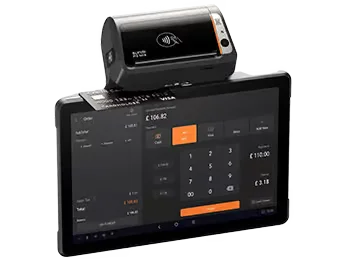
A countertop card terminal at a fixed till

Rock-solid reliability

A countertop terminal is only useful if it works every time a customer taps. The provider's connectivity, support response, and replacement SLA matter more than the headline rate.

  • Ethernet as primary, with 4G or WiFi as backup so a router issue does not stop payments.
  • Support hours that match your trading hours - including evenings and weekends.
  • Replacement terminals dispatched within 24 hours if a unit fails.
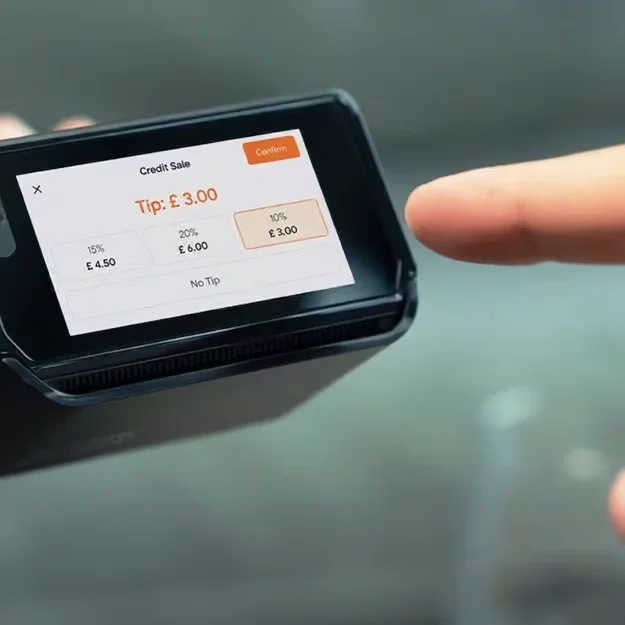
A card terminal in use at a counter

Built for busy counters

Speed at the till is the whole point. Fast contactless, clean PIN entry, and refunds that take seconds keep queues moving when the shop gets busy.

  • Contactless up to the £100 UK limit, with chip-and-PIN for higher tickets.
  • Sanitisable PIN pads and clear screens that staff can use without training.
  • One-tap refunds, voids, and gratuity prompts where you need them.
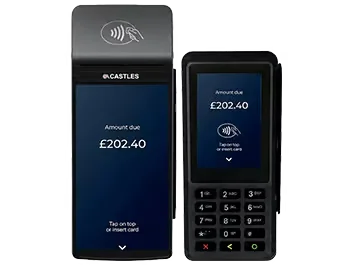
An integrated POS terminal with till system

Integrates with your day

A terminal should fit the workflow you already have - receipt printing, end-of-day cashing up, EPOS connections, and the reports your team actually reads.

  • Integrated or thermal receipt printing matched to your till setup.
  • End-of-day batching, settlement reports, and EPOS reconciliation.
  • Compatible with your existing till, accounting tool, or stock system.
Best fit

Where countertop card machines usually fit best

The strongest fit is usually a business where customers naturally come to one payment point. If that sounds like your setup, a countertop terminal is often the simplest place to start comparing.

Retail counters and local shops

Independent retailers, convenience stores, dry cleaners, post offices, and takeaways often need a dependable counter terminal that keeps queues moving.

Salons, clinics, and reception desks

Beauty, healthcare, professional services, and appointment-led businesses usually suit a fixed payment point at reception or front of house.

Front-of-house hospitality

Pubs, cafes, and food businesses can use countertop terminals well when customers pay at the bar, counter, or collection point rather than at the table.

How countertop card machine pricing works

Costs are rarely just one headline transaction rate. The right comparison looks at the full package and how it fits your trading profile.

What affects your quote

  • Transaction volume, average transaction value, and card mix.
  • Whether pricing is blended, fixed, or interchange-plus.
  • Terminal rental, often around £15-£30 per month depending on provider and package.
  • Card-present transaction rates, often around 0.3%-2.5% depending on volume, card type, sector, and risk.
  • Setup fees, minimum monthly service charges, PCI fees, and chargeable support extras.
  • Contract length, exit fees, support quality, and settlement timing.
  • Risk factors such as trading history, sector, chargebacks, or previous provider issues.

These ranges are anchors, not quotes. Higher rates are common for lower-volume merchants or more complex sectors. We help you compare on real cost and suitability, not on a lowest-rate promise that may not reflect the full contract.

After the terminal arrives

Provider details that matter after the terminal arrives

A countertop card machine is only useful if it keeps working, connects reliably, settles funds on time, and comes with support you can reach when trading is busy.

Terminal reliability and support

Ask what happens if the terminal stops working, how quickly replacements are sent, and whether support is reachable when you trade.

Connectivity options

Compare ethernet, WiFi, 4G, and SIM backup so a connection problem does not stop payments at the counter.

Settlement timing

Next-day settlement can make a real cash-flow difference. Compare how quickly funds reach your account and whether faster settlement costs extra.

EPOS and receipt handling

Check whether the terminal works with your current till, prints the right receipts, and supports the reporting your team needs.

Compare setups

Countertop vs portable card machines

The better option is not the one that sounds more advanced. It is the one that matches where payments happen, how your team works, and how much flexibility you need.

Setup Often suits Watch out for Merchant Advice view
Countertop Fixed tills, reception desks, and front-of-house payments. A router or ethernet drop kills the till - make sure 4G fallback is included, not optional. Check replacement-terminal SLA before signing. Strong when the checkout is fixed and the priority is a dependable, simple payment point.
Portable Restaurants, cafes, venues, queue-busting, and shop-floor payments. Battery life and 4G coverage at your premises decide whether it actually works in practice. Check replacement cost if a unit is dropped. Worth comparing when customer movement or service flow makes a fixed terminal awkward.
Integrated setup Businesses that need payments linked to EPOS, reconciliation, stock, or reporting. Confirm your existing till is on the supported list - swapping EPOS later is expensive. Integration fees and ongoing licensing add up. Best considered when operational control matters as much as the terminal itself.

Countertop

Often suits
Fixed tills, reception desks, and front-of-house payments.
Watch out for
A router or ethernet drop kills the till - make sure 4G fallback is included, not optional. Check replacement-terminal SLA before signing.
Merchant Advice view
Strong when the checkout is fixed and the priority is a dependable, simple payment point.

Portable

Often suits
Restaurants, cafes, venues, queue-busting, and shop-floor payments.
Watch out for
Battery life and 4G coverage at your premises decide whether it actually works in practice. Check replacement cost if a unit is dropped.
Merchant Advice view
Worth comparing when customer movement or service flow makes a fixed terminal awkward.

Integrated setup

Often suits
Businesses that need payments linked to EPOS, reconciliation, stock, or reporting.
Watch out for
Confirm your existing till is on the supported list - swapping EPOS later is expensive. Integration fees and ongoing licensing add up.
Merchant Advice view
Best considered when operational control matters as much as the terminal itself.
Why Merchant Advice

Why use Merchant Advice instead of going direct?

Going straight to one provider can work, but it also means you only see one route. We help you compare options before a single sales process narrows the decision too early.

Independent comparison

We focus on the setup and provider route that fits your business, not on pushing one terminal or one contract.

Negotiation support

We help you look beyond the first offer and compare where there may be room on transaction rates, rental, contract length, exit fees, and settlement terms.

Switching support

If you already have a provider, we help you check exit fees, contract dates, parallel running, and timing so switching does not interrupt payments.

Complex case guidance

If you have been declined, had an account closed, or trade in a sector providers review more closely, we can help you understand the route before you apply again.

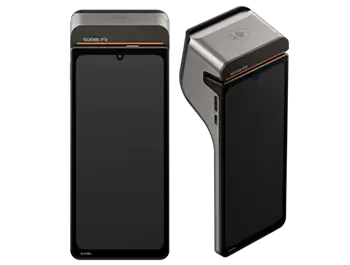
A Sunmi countertop card terminal
Next step

Get clear on the right next step

Tell us how your business takes payments and we'll help you decide whether a countertop setup is right, what to compare next, and which options are worth taking seriously.

  • Guidance built around business fit, not sales pressure.
  • Support comparing suitable providers.
  • A clearer shortlist based on how your business actually trades.
Start My Free Comparison

Frequently asked questions

Are countertop card machines the right fit for my business?
Usually yes if most payments happen at one fixed counter or front desk. If payments move around the business, forcing a countertop setup can create friction you do not need.
How do countertop card machines compare with portable options?
Choose countertop when payments stay at the till. Choose portable when staff need to take payments away from it. Getting that wrong usually causes more frustration than any small feature difference.
What costs should I compare before choosing a provider?
Compare transaction fees, terminal rental, setup costs, PCI fees, minimum monthly charges, contract length, settlement timing, and exit terms. The lowest headline rate is not always the best deal.
What if I have been declined elsewhere?
You may still have options. Card-present businesses are often simpler to underwrite than online or high-risk merchants, but previous declines, account closures, unusual sectors, or limited trading history can still affect the route.
Am I locked into a long contract?
It depends on the provider. Pay-as-you-go options like SumUp, Square, and Zettle offer no-contract terms - useful for low-volume merchants or new businesses. Traditional acquirers tend to offer rolling monthly terms or longer 3-5 year commitments, which both affect rates and terminal rental. Before signing, check the term, notice period, exit fees, price-review clauses, and whether the terminal rental is separate from processing.
How quickly can I be set up?
Straightforward card-present applications can often be set up within a few working days once checks are complete. Timing depends on provider workload, underwriting questions, terminal delivery, and whether you are switching from another provider.
What happens if the machine breaks or goes offline?
Ask providers about support hours, replacement timelines, connectivity backup, and whether there are extra fees for callouts or replacement terminals. This matters most if the counter is your main way to take payments.
Can I keep my existing till or EPOS?
Often yes, but it depends on your current till, the provider, and whether you need integrated payments. If EPOS compatibility matters, check it before choosing the terminal package.
Does using Merchant Advice increase my fees?
No. We are paid a small commission by providers when you proceed with one through us. That does not increase your rates, and our role is to help you compare suitable options more clearly.